
Biogeographic Potency: The Science of Brazilian Bioactive Sourcing
Brazil holds over 20% of global plant biodiversity, distributed across six distinct biomes: the Amazon, Cerrado, Atlantic Forest, Caatinga, Pantanal, and Pampas. The varying climate conditions across these regions force native flora to develop highly resilient chemical defense mechanisms.
This ecological stress results in dense concentrations of secondary metabolites — specifically flavonoids, terpenes, and phenolic compounds — offering chemical profiles distinct from temperate-climate alternatives.
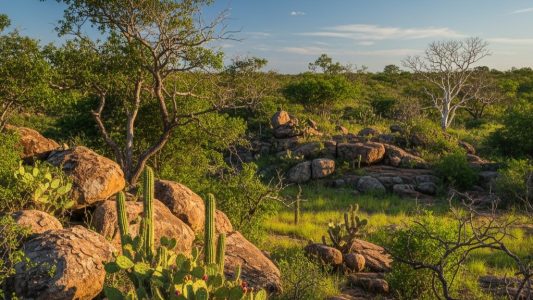
Extreme Evolutionary Pressure
Unlike temperate climates with cold winters that pause pest activity, Brazil’s tropical and semi-arid biomes face intense, year-round biological pressure from insects, fungi, and pathogens.
To survive, native flora have evolved a highly complex “chemical toolkit.” Plants produce exceptionally dense concentrations of secondary metabolites designed as natural defense mechanisms. When bees collect these resins, or when botanicals are harvested, they carry a highly concentrated, biologically aggressive phytochemical profile.
The Africanized Bee Advantage: Natural Purity
One of Brazil’s most significant global advantages is its bee population. In the 1950s, the introduction of Africanized honeybees created a highly resilient, aggressive hybrid perfectly suited to the tropical wild.
Because these bees possess a highly robust natural immune system, they are uniquely resistant to diseases that devastate hives elsewhere. As a result, Brazilian apiculture operates virtually without antibiotics or synthetic chemical treatments. This makes Brazilian honey and propolis inherently clean, free from the chemical residues and antibiotic contamination that frequently disrupt supply chains from other major global exporters.
Sustainability and Biome Protection
Unlike heavily mechanized, monoculture agricultural models, high-value Brazilian bioactive supply chains are structurally tied to local ecosystem preservation. In ecologically sensitive regions like the semi-arid Caatinga, sustainable apiculture serves as a direct economic countermeasure to deforestation. Sourced from cooperatives 100% owned by hundreds of small families, this model ensures that revenue directly funds the communities actively protecting the wild hives. Because the bees forage on the unique, native medicinal flora to produce their distinct Fairtrade and Organic-certified profiles, the preservation of the biome’s biodiversity is directly linked to the economic survival of its stewards. Furthermore, targeted cooperative programs actively integrate women and youth into the trade, directly combating rural-to-urban migration and training the next generation to act as long-term environmental guardians.
Phytochemical Case Studies: Green Propolis and Caatinga Honey
These unique biogeographic factors directly influence the potency of Brazilian apiary and botanical derivatives, which have become key subjects of international research:
Atlantic Forest Green Propolis: Sourced from the rosemary field wild plant (Baccharis dracunculifolia), this resin is highly sought after for its concentration of Artepillin-C. This unique phenolic compound is widely studied in Japan and Europe for its specific immunomodulatory, anti-inflammatory, and antioxidant properties.
Caatinga Apiary Products: The harsh, dry climate of the Caatinga biome forces native plants to produce highly concentrated, protective resins. Bees foraging on these wild species produce single-origin honeys and propolis with exceptionally high phenolic and flavonoid baselines.
Supply Chain Standardization & Traceability
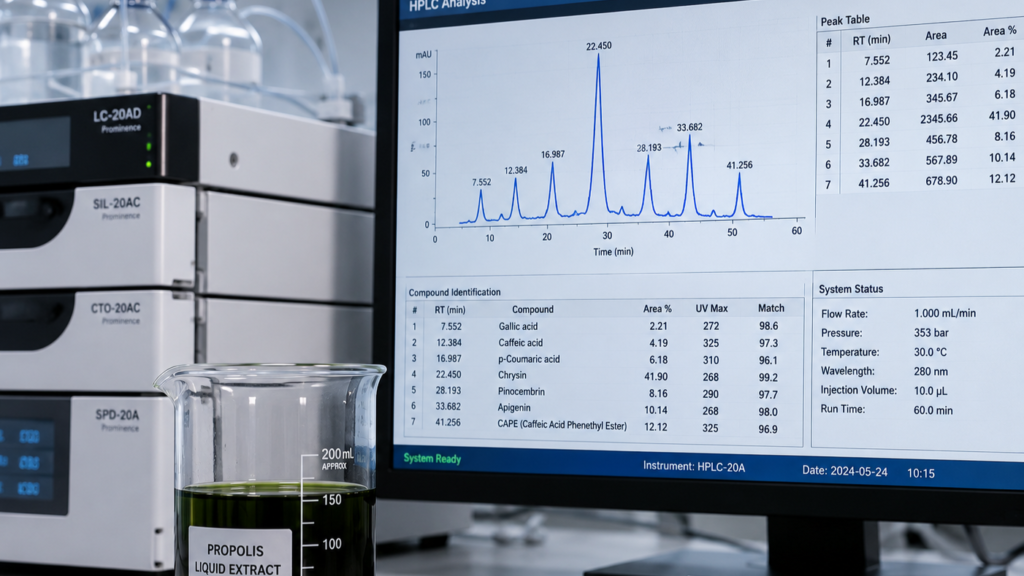
Historically, sourcing from biodiverse regions presented challenges in batch-to-batch consistency. However, decades of collaboration between Brazilian research institutions and international partners have standardized extraction protocols and analytical testing (such as HPLC analysis).
Modern production now integrates:
Strict Chemical Specifications: Ensuring guaranteed minimum percentages of active flavonoids and phenolic acids.
Regenerative Sourcing: Audited, non-destructive extraction models that preserve native biomes.
International Certification: Aligning wild-harvested raw materials with USDA Organic, EU Organic, and True Source standards to satisfy strict global regulatory requirements.
Sourcing Standardized Brazilian Bioactives
For commercial formulations requiring verified active markers and strict compliance, sourcing raw materials requires transparent oversight. Solora Global Trading partners directly with audited agricultural cooperatives in Brazil to supply traceable, shelf-stable ingredients. Our portfolio — including QIMA IBD-certified Organic Caatinga honey and standardized, HPLC-tested Green Propolis—is backed by full physical-chemical analysis to meet the rigorous standards of global markets.